Creative Pear Agency: Dando vida a tus proyectos

Un lugar único para todas tus necesidades de marketing y creatividad

¡Somos un equipo de peras certificadas!

En Creative Pear Agency, nos enorgullecemos de ser un equipo de profesionales certificados con habilidades y conocimientos de vanguardia, dedicados a ofrecer soluciones digitales innovadoras.

Nuestro compromiso con la excelencia y la búsqueda constante de la mejora continua son el núcleo de todo lo que hacemos. Únete a nosotros para convertir tus aspiraciones digitales en realidad.

Creative Pear Agency

Nuestro enfoque en el marketing digital resalta la creatividad, la importancia de las métricas y procesos estructurados, asegurando que tus proyectos sean visualmente atractivos y estratégicamente sólidos. Adaptadas a las pautas únicas de tu marca, nuestras soluciones abarcan desde estrategias de contenido perspicaces y diseños intrincados, hasta desarrollo web profesional, cubriendo todas tus necesidades para una presencia digital cohesiva y de gran impacto.
Sticker Creative Pear "What you envision we create"

TU DEPARTAMENTO

CREATIVO INTERNO

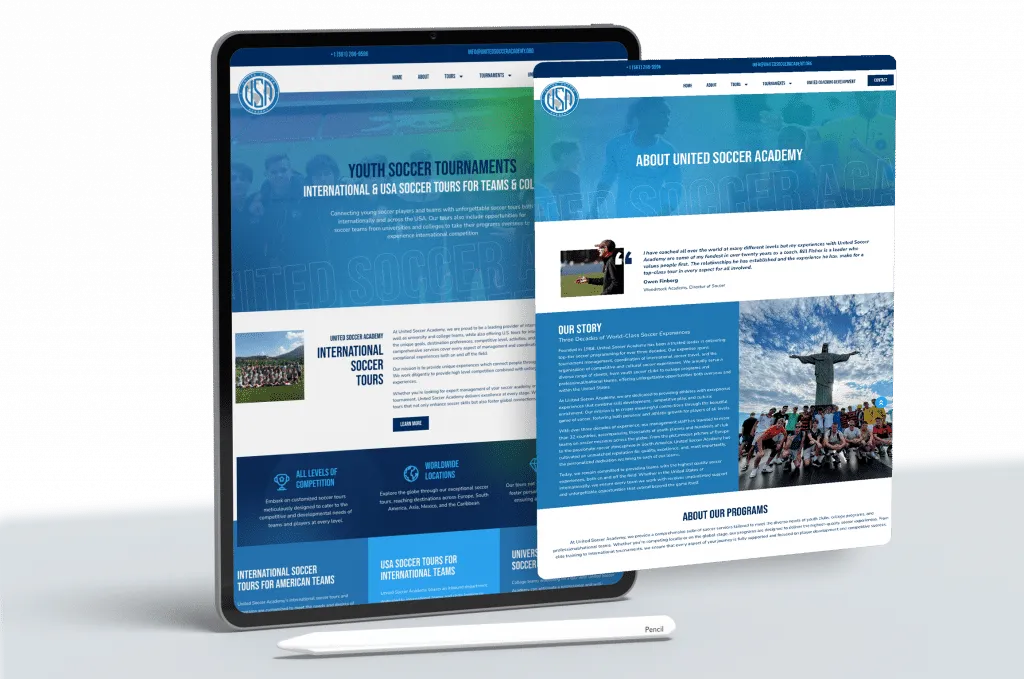
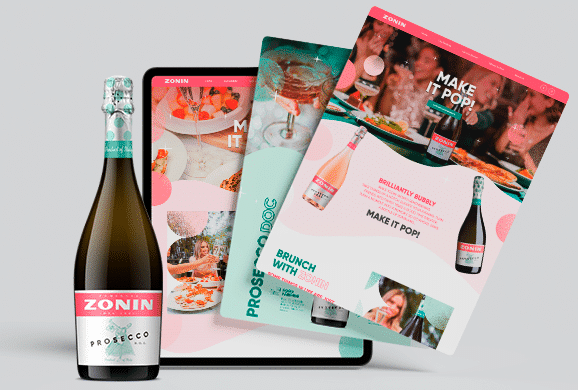
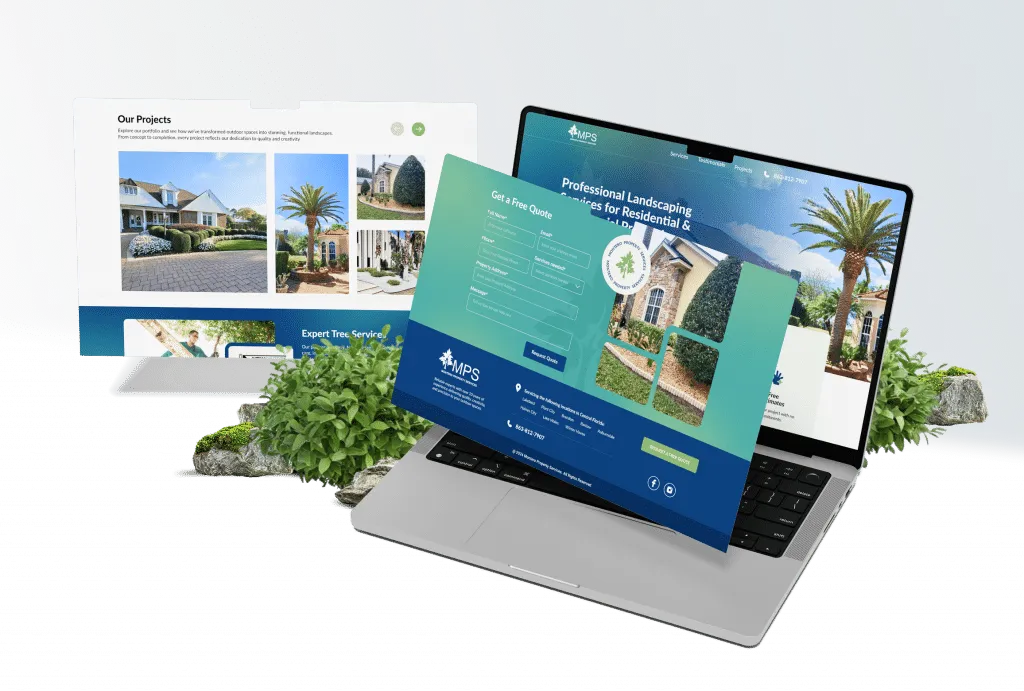
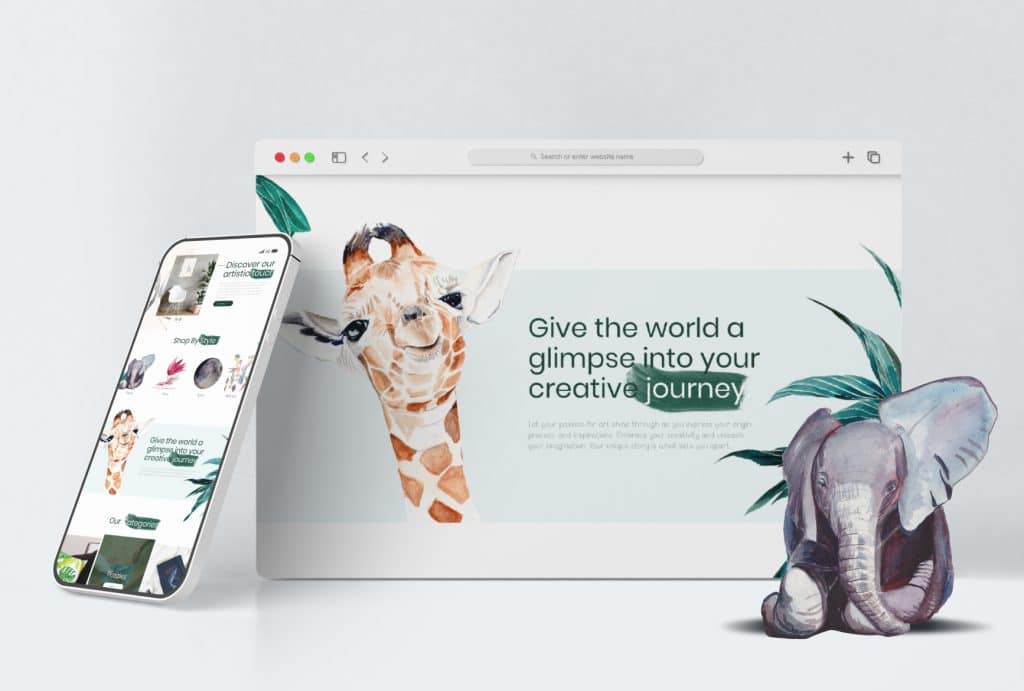
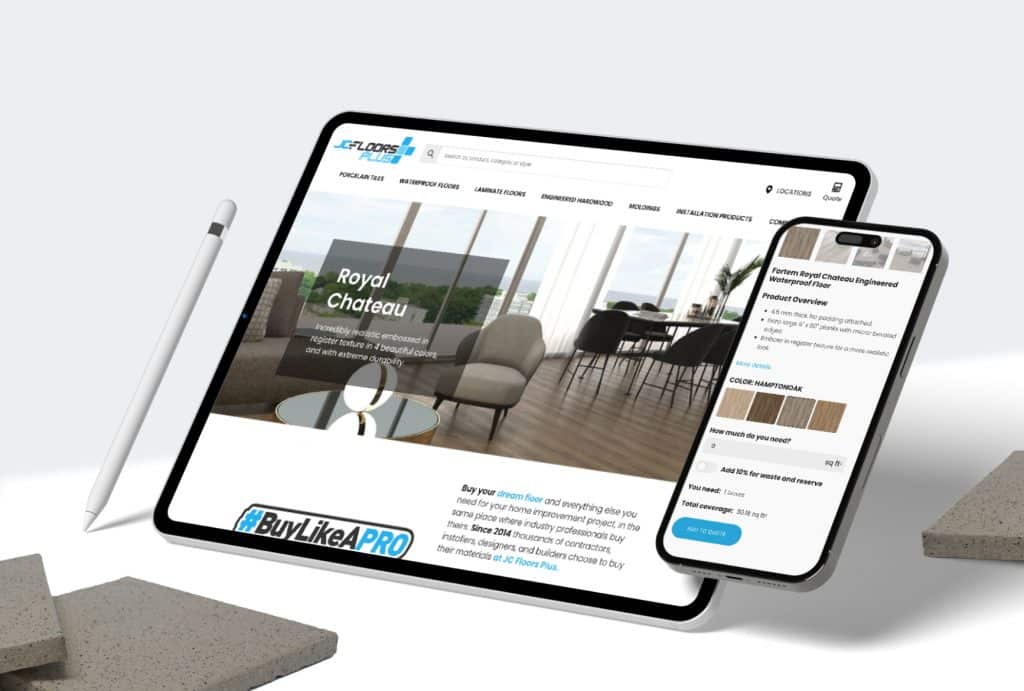
Digital marketing agency Mockup

Lo Que Hacemos

El marketing es mucho más que promoción y publicidad. ¡Se trata de hacer conexiones! Entendemos la importancia de construir relaciones sólidas con los clientes, ya que estas conexiones impulsan el crecimiento y el éxito.
¡Trabajemos juntos y comencemos a hacer conexiones significativas que llevarán tu negocio a nuevas alturas!

Servicios de Branding

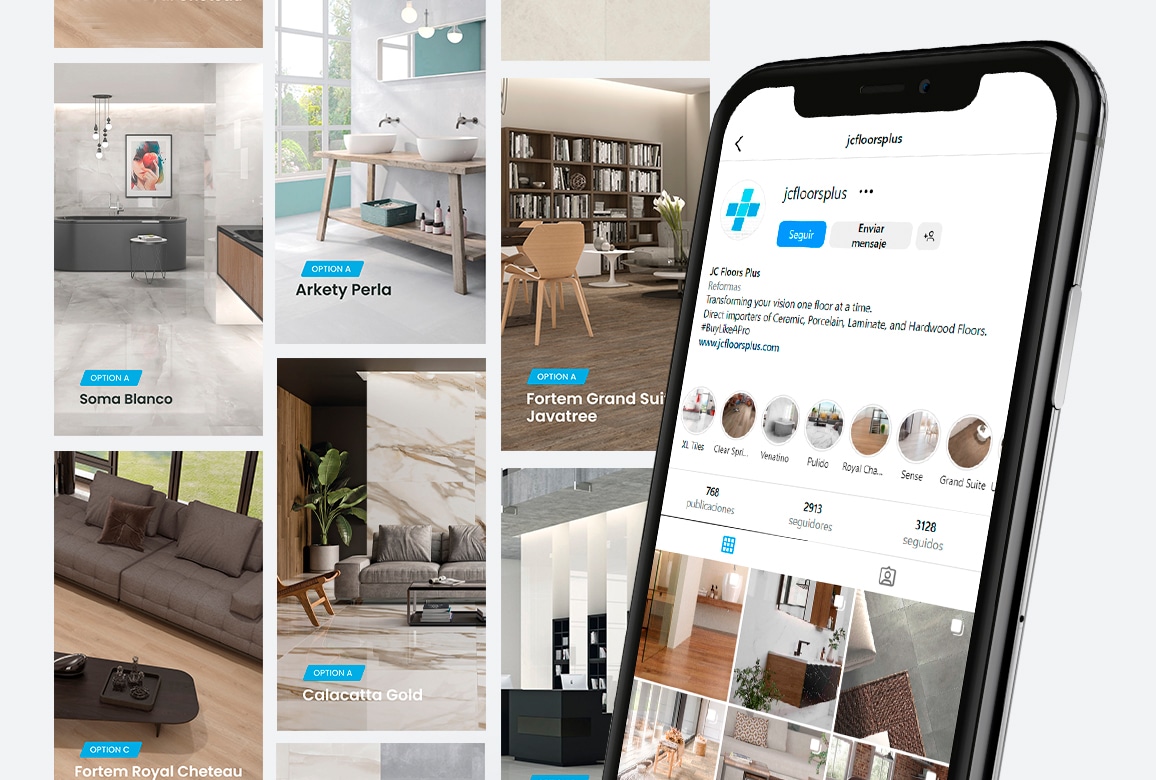
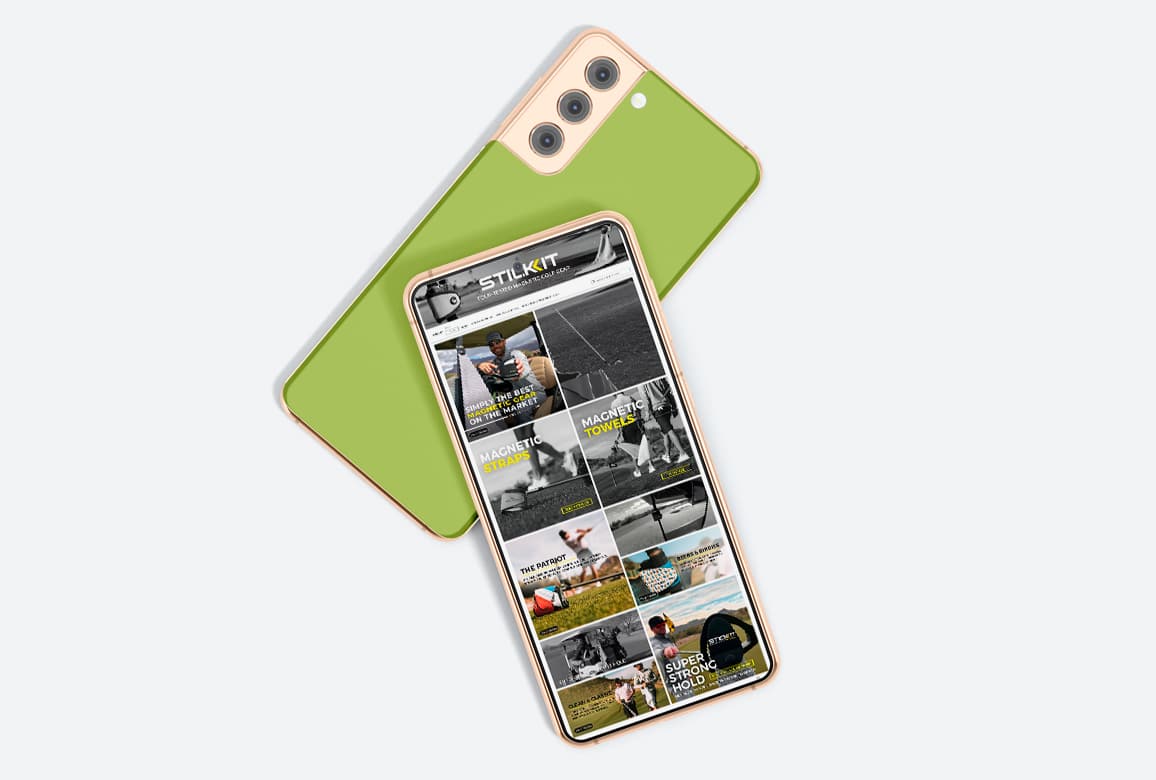
Servicios de Desarrollo de Sitios Web

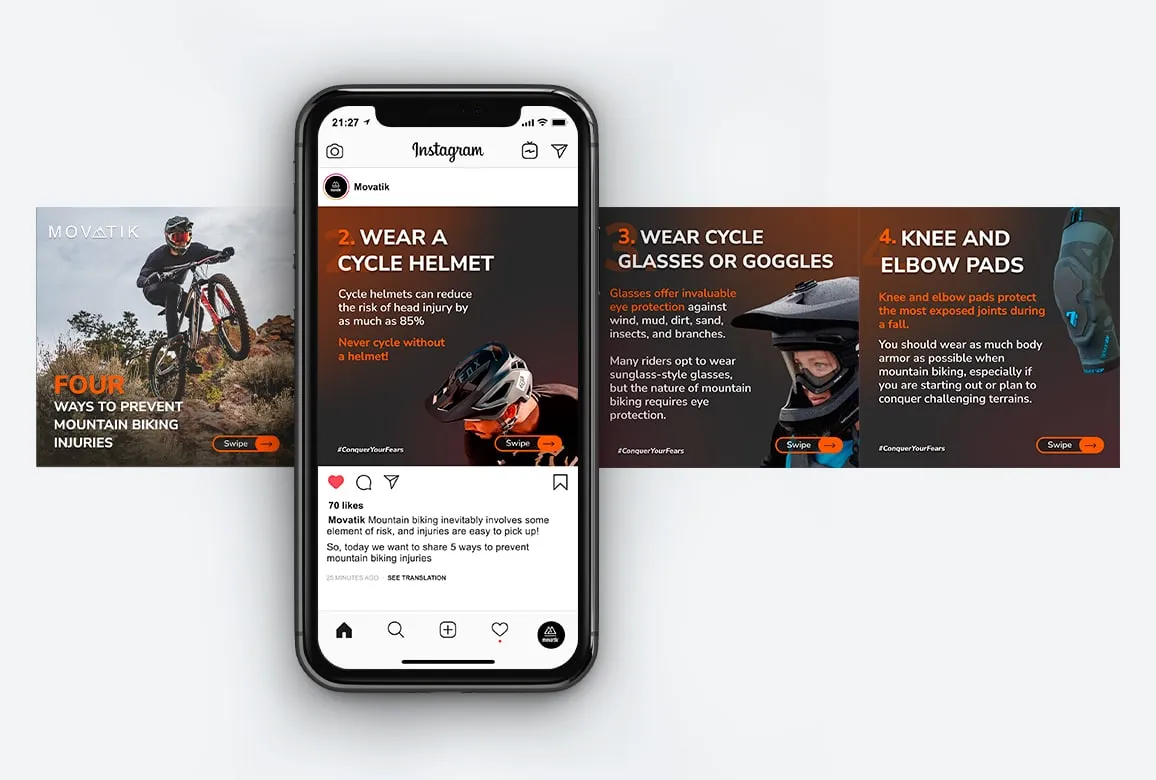
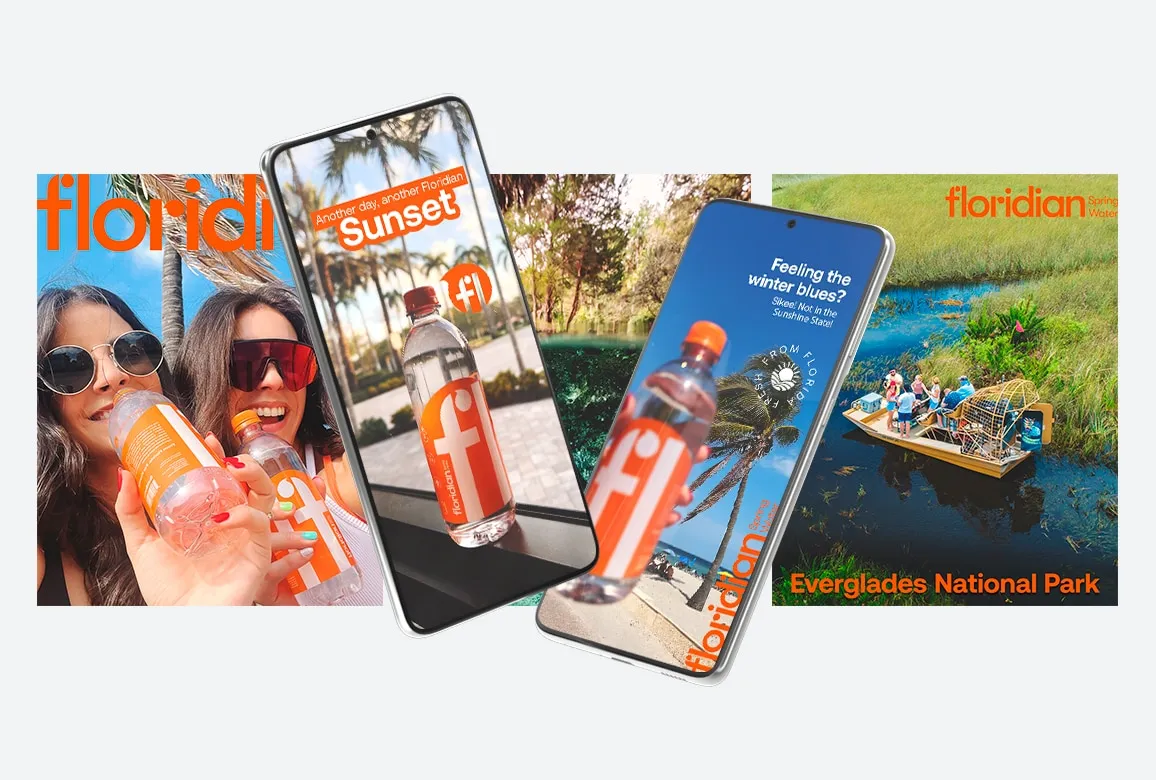
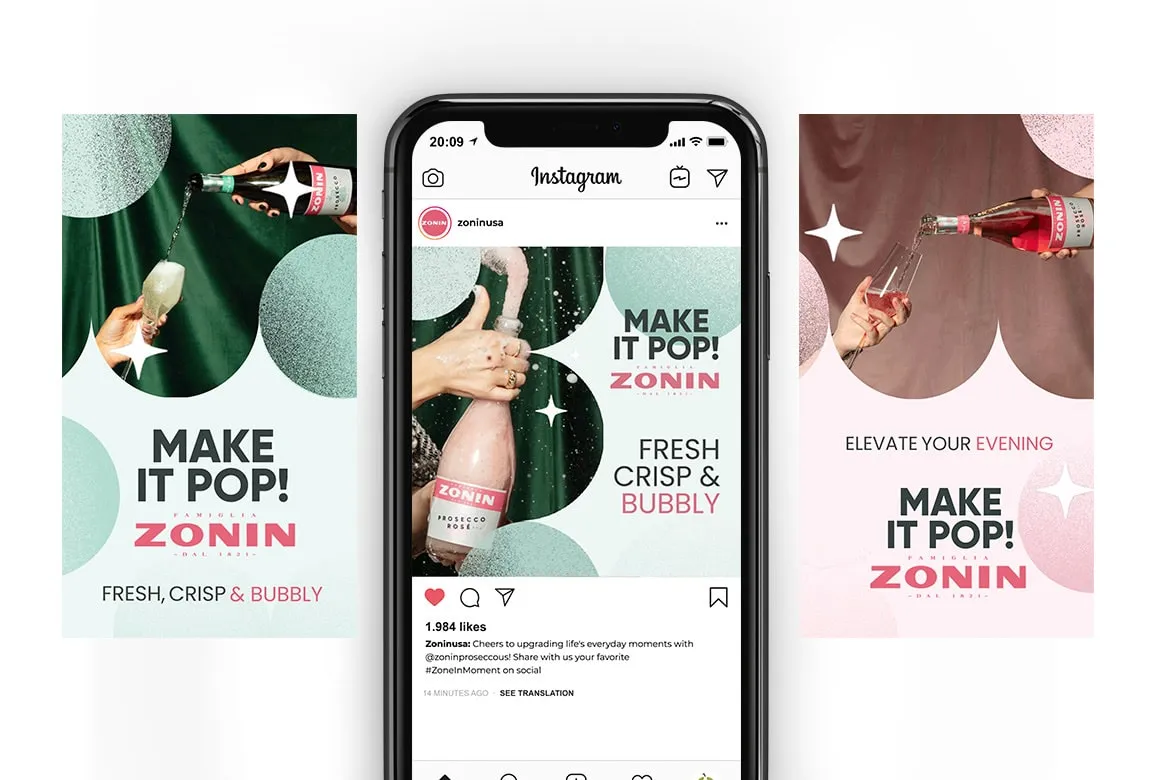
Servicios de Redes Sociales

Social Media

Digital Marketing

Servicios de Marketing Digital

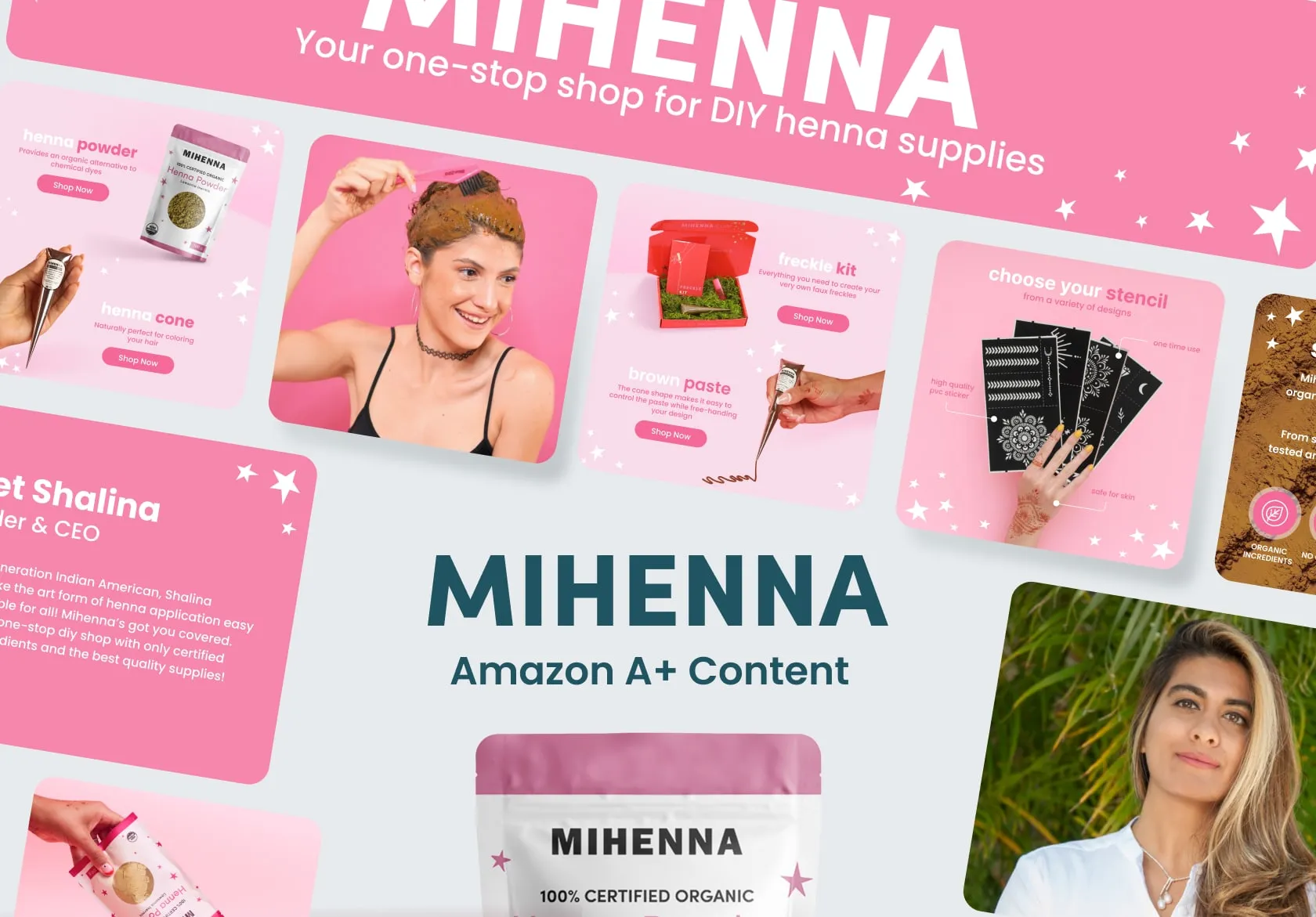
Servicios de Marketing en Amazon

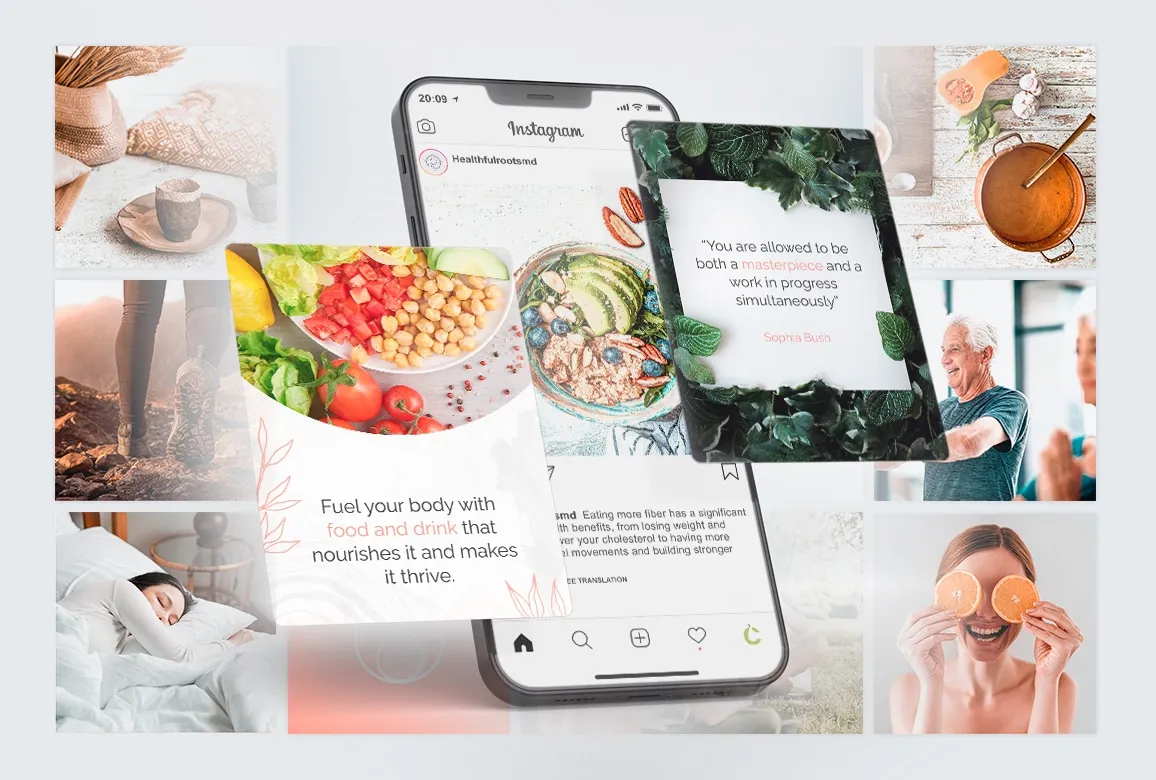
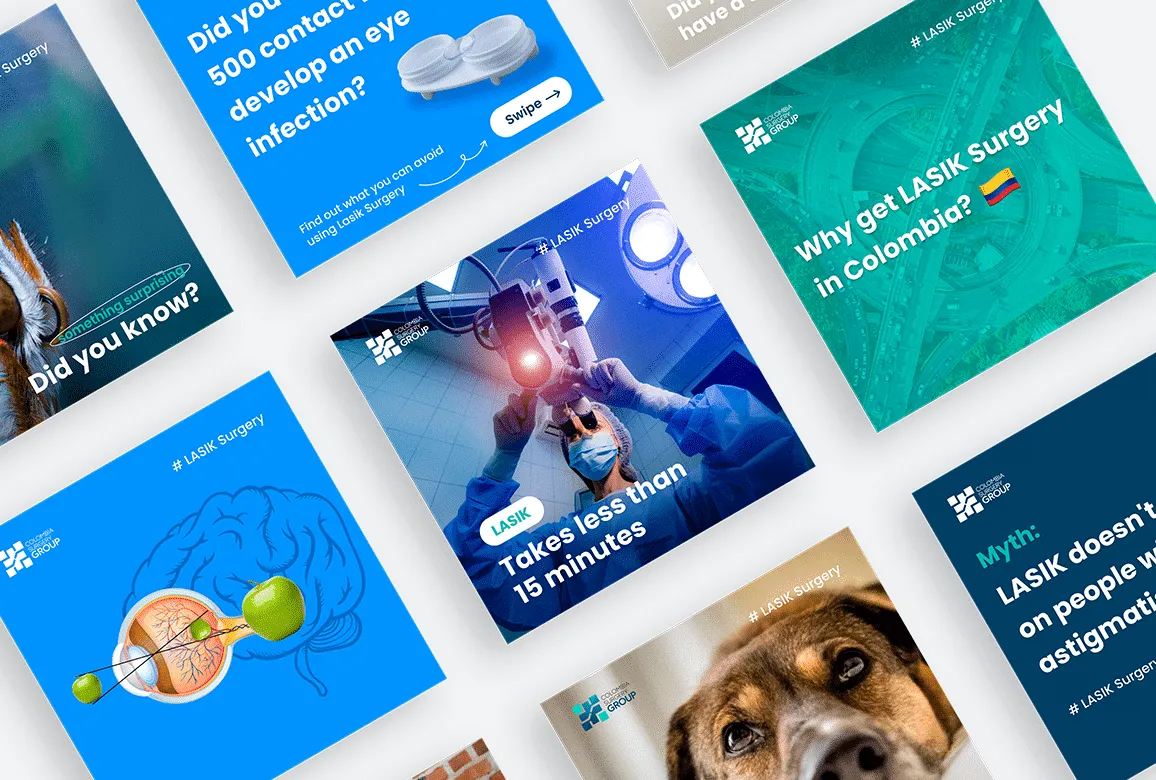
Servicios de Creación de Contenido y Diseño

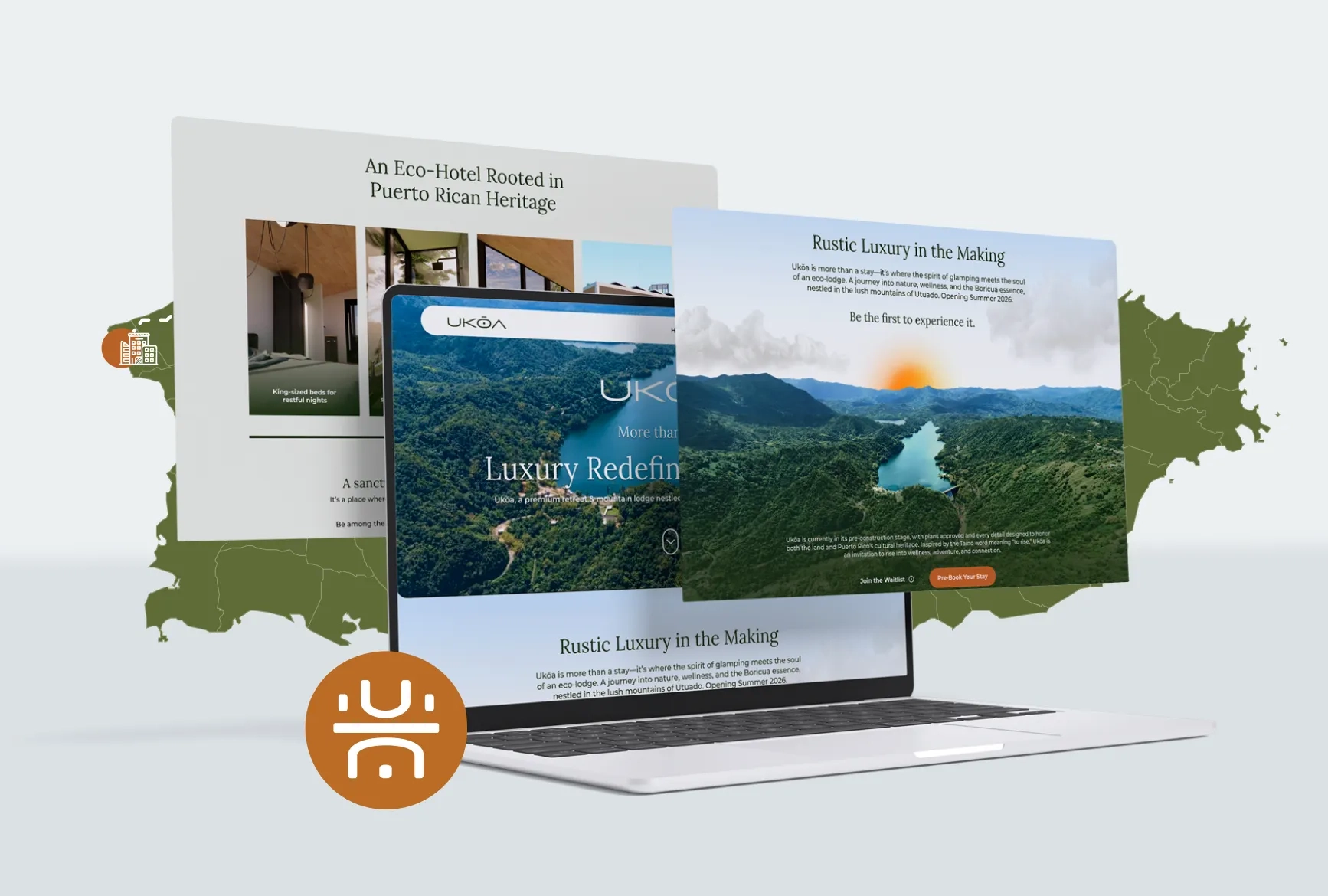
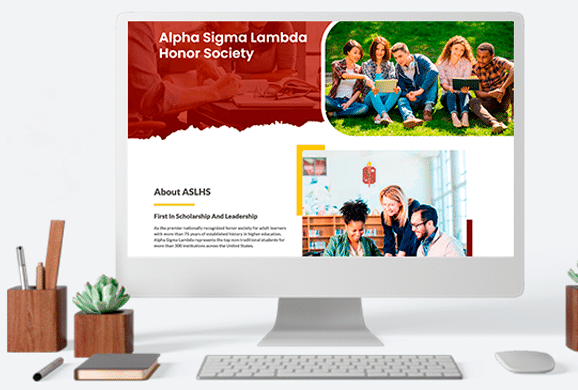
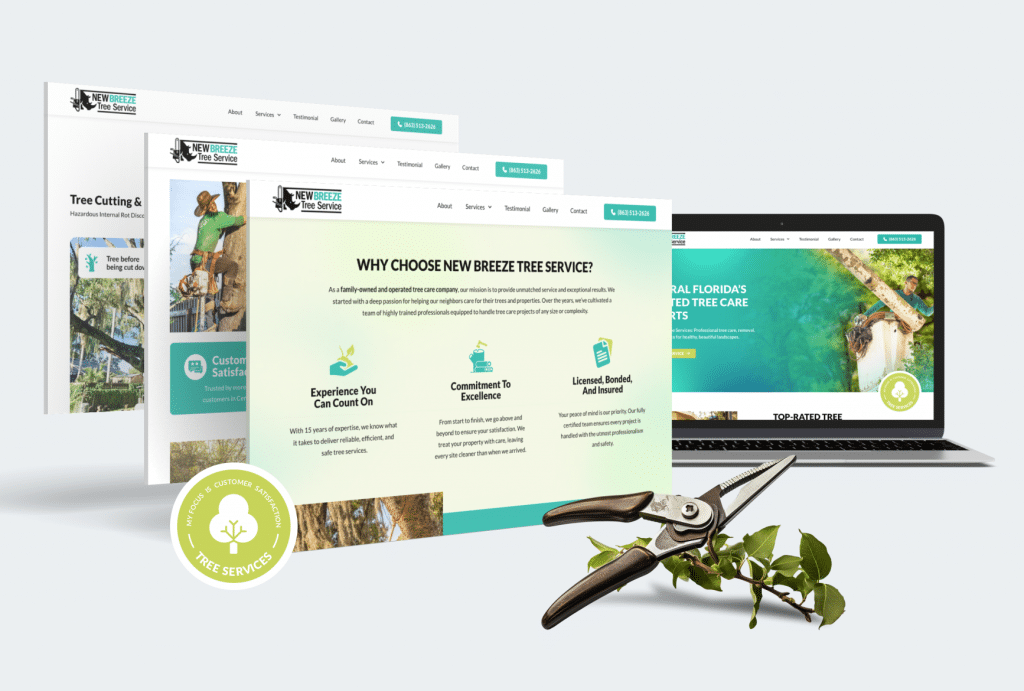
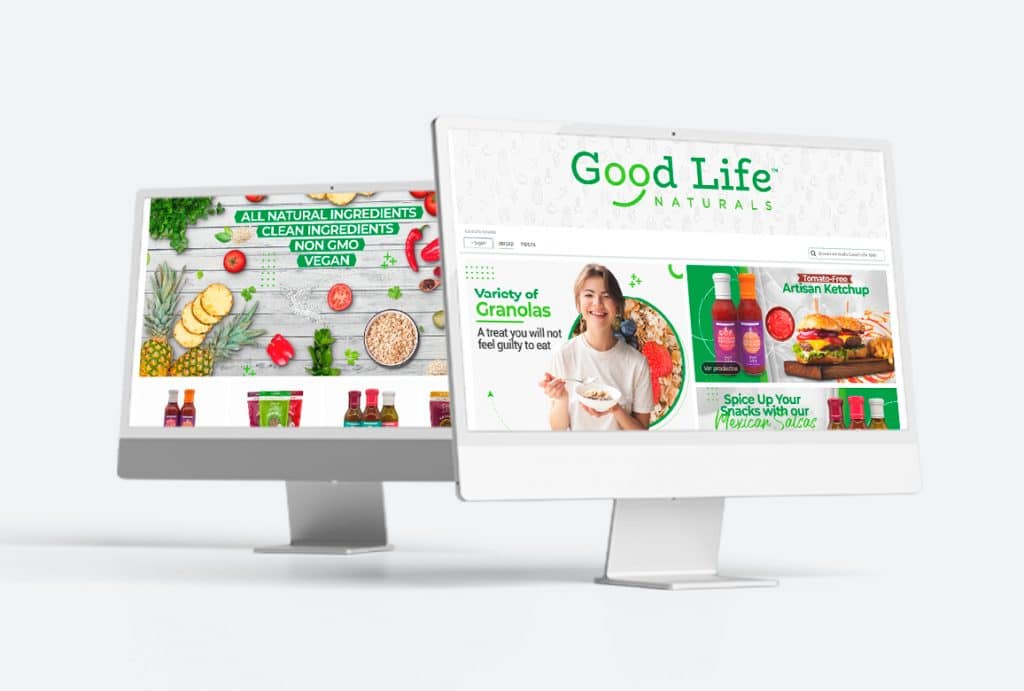
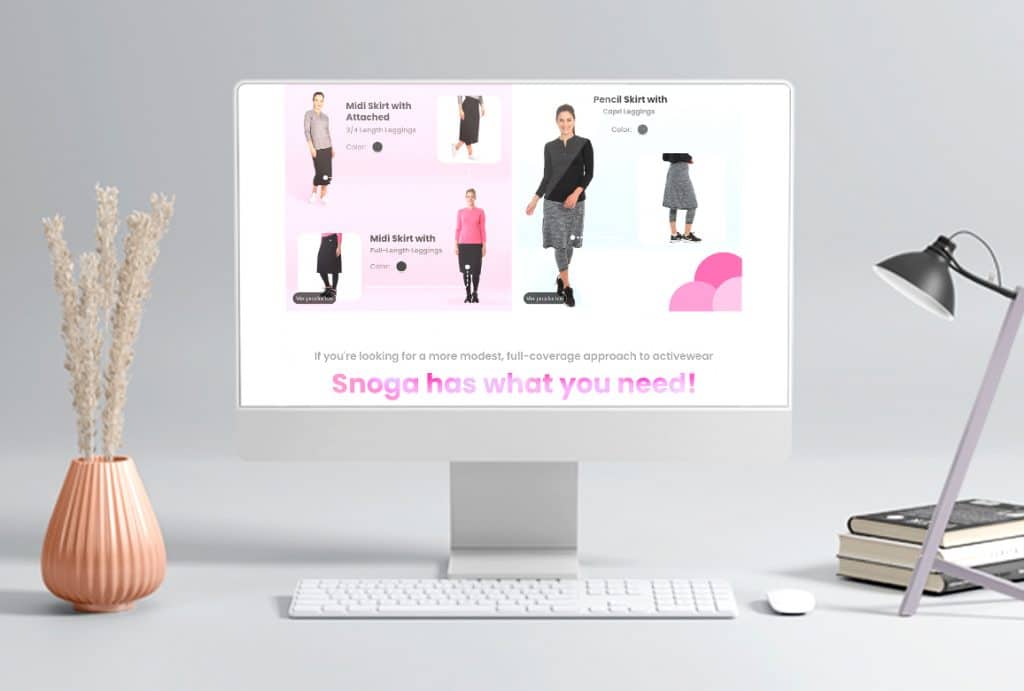
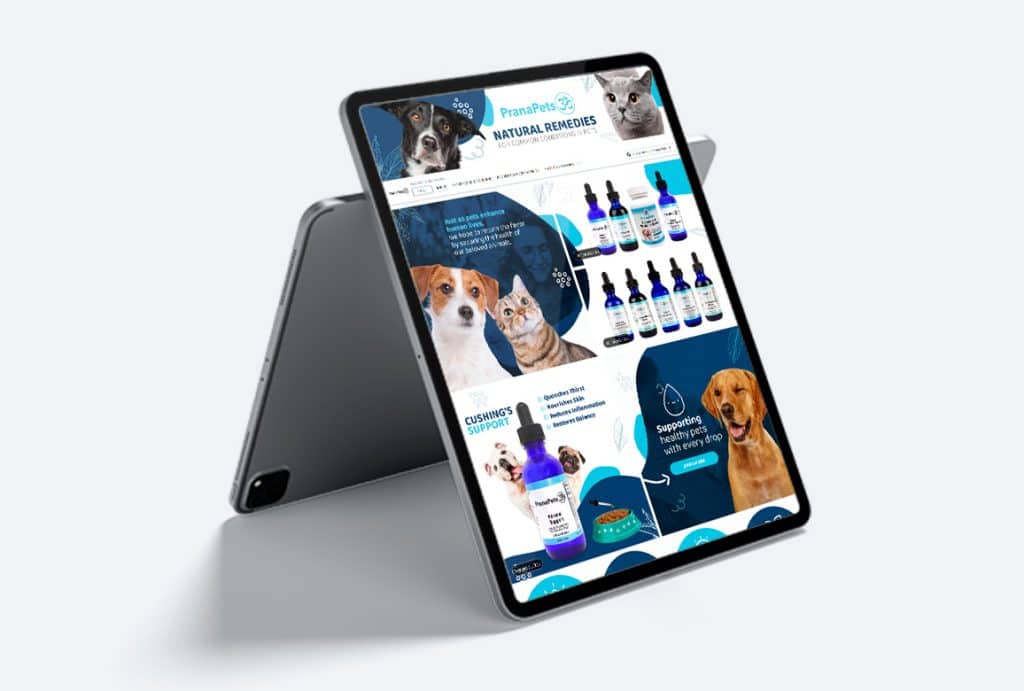
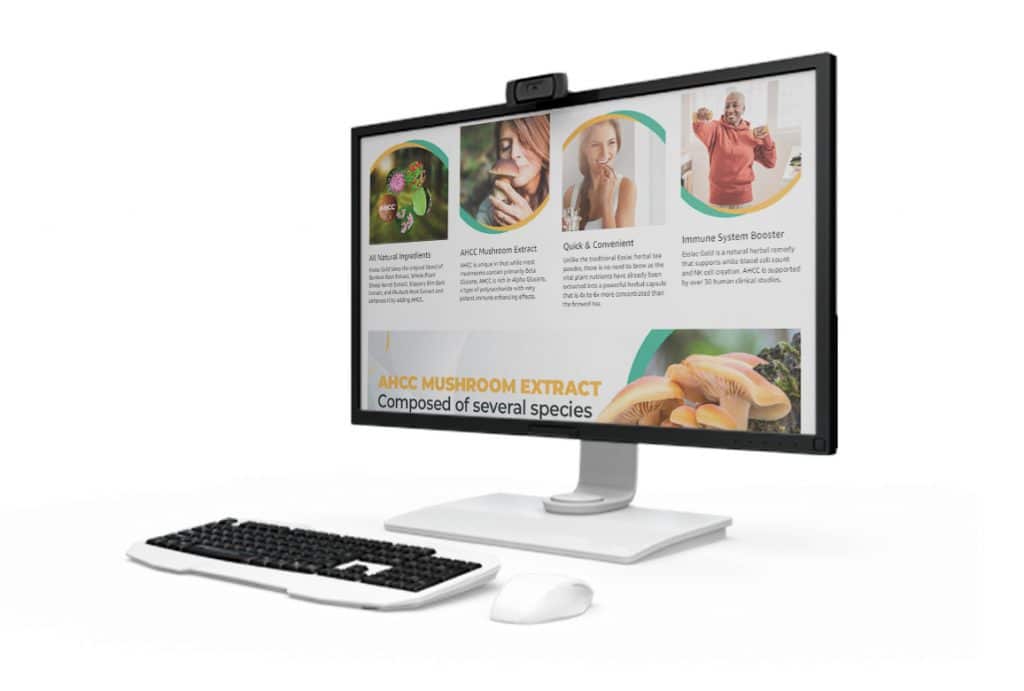
PROYECTOS RECIENTES

Una agencia de desarrollo creativo premier con sede en Miami

Te ofrecemos todo lo que necesitas para crear el sitio web de tus sueños

Nuestro equipo creativo se encargará de todo; nuestro paquete de desarrollo incluye lo siguiente:
  • Diseño según tus requisitos.
  • Optimización de contenido.
  • Seguridad.
  • Velocidad.
  • Mantenimiento y asesoría sobre las mejores prácticas.

Obtendrás un sitio web con un diseño hermoso y un rendimiento óptimo de manos de profesionales.

¿Por qué elegir Creative Pear como tu agencia de Marketing Digital?

En el bullicioso panorama digital de Miami, elegir la agencia creativa adecuada puede ser el catalizador para catapultar tu marca a nuevas alturas. Creative Pear se destaca como una ejemplar agencia creativa bilingüe en Miami, ofreciendo una amplia gama de soluciones de marketing digital hechas a medida para resonar con audiencias tanto en inglés como en español.

Creative Pear Agency se especializa en enriquecer tu presencia en línea a través de una combinación de contenido escrito y visual atractivo.

Nuestros servicios incluyen la creación de videos dinámicos, imágenes vívidas, desarrollo web personalizado y transformaciones exhaustivas de branding, cubriendo cada aspecto de tu identidad digital con precisión y creatividad.

Una agencia de marketing creativo en Miami

Nos destacamos en la creación de soluciones personalizadas de marketing, branding y contenido adaptadas a las necesidades de tu negocio. Nuestros servicios abarcan desde el diseño de gráficos exquisitos para tus plataformas de redes sociales hasta la implementación de herramientas de análisis sofisticadas para rastrear las interacciones de los clientes con tus productos.

Confía tus estrategias de marketing a nuestros expertos y tus necesidades de diseño a nuestro equipo creativo.

NUESTRO BLOG

INFORME PEAR

website application development

7 Sins about website application development

In the digital-first economy, your website is not just a digital brochure; it is your primary sales channel, your lead generation engine, and the core representation of your brand. For entrepreneurs, business owners, and digital professionals, a functional, engaging, and user-friendly site is non-negotiable. However, many sites, despite significant investment in website application development, fall short. They harbor hidden flaws—the “Deadly Sins”—that repel visitors, sabotage conversion rates, and ultimately tank your bottom line. This comprehensive guide delves into the 7 most critical errors in modern web design and shows you exactly how to pivot toward a successful, user-centric website application development strategy. Sin 1: Gluttony of Clutter – The Overloaded Page What It Is: Gluttony, in web design, is the overwhelming tendency to cram every piece of information, every offer, and every call-to-action (CTA) onto a single page. This includes excessive pop-ups, too many banner ads, and navigation menus with dozens of links. The Damage: This clutter instantly raises the cognitive load on the user. They are forced to sift through noise, leading to decision paralysis. This drastically increases bounce rates and obscures your most important conversion paths. A bloated page structure also negatively impacts performance, which is a critical factor in modern website application development.   The Redemption (How to Avoid It): Embrace Minimalism: Follow the “less is more” principle. Prioritize one primary goal per page. White Space is Your Friend: Use ample negative space to guide the user’s eye and create visual hierarchy. Modular Design: During the website application development phase, plan your content in clean, digestible blocks or modules. Use accordions or tabs for secondary information. Sin 2: Wrath of Slow Loading Speeds – The Patience Killer What It Is: Slow loading speed is perhaps the most unforgivable sin. Users expect instant gratification; studies show that even a one-second delay can result in a 7% reduction in conversions. This sin is often the result of poor technical execution, massive unoptimized images, excessive third-party scripts, or inefficient code architecture during website application development. The Damage: It’s an instant conversion killer and a massive signal to search engines that your site provides a poor user experience (UX). Google, a major gatekeeper of visibility, heavily penalizes sites with poor Core Web Vitals (CWV). The Redemption (How to Avoid It): Image Optimization: Compress and resize all images. Use modern formats like WebP. Implement lazy loading for images below the fold. Code Review and Minification: Minify CSS, JavaScript, and HTML files. Eliminate unnecessary rendering-blocking resources. Leverage Caching and CDNs: Utilize browser caching and a Content Delivery Network (CDN) to serve content quickly from servers nearest to the user. This is a foundational element of scalable website application development. Sin 3: Envy of Trends – Ignoring the Target Audience What It Is: Envy is the desire to replicate a cool, trending website (like a complex parallax scrolling site or an ultra-modern design with confusing iconography) simply because a competitor or a trendy startup is using it—regardless of whether it serves your specific audience. The Damage: When design trumps function, user experience suffers. Your audience may not understand the complicated navigation, hidden menus, or esoteric visual elements. A business-focused audience needs clarity; a creative audience might tolerate more flair. Misaligning design with user needs is fatal. The Redemption (How to Avoid It): Know Your User Persona: Base every website application development decision on user data, not fleeting trends. What are their pain points? What is their digital literacy? Conduct User Testing: Before launch, test the design with actual members of your target audience. Use A/B testing on key pages. Prioritize Accessibility: Ensure your design (color contrast, font sizes, keyboard navigation) is accessible to all users. Accessibility is great UX and good SEO. Sin 4: Sloth of Mobile Neglect – The Desktop-Only Mindset What It Is: Sloth is the complacency of believing a desktop-optimized site is sufficient. Today, the majority of web traffic comes from mobile devices. Neglecting mobile is ignoring the vast majority of your potential audience. The Damage: Google operates on a Mobile-First Indexing principle. If your mobile experience is broken, slow, or difficult to use (e.g., tiny buttons, text that requires zooming, non-responsive layout), Google will penalize your rankings, and users will abandon the site. The Redemption (How to Avoid It): True Responsive Design: Don’t just make the desktop site shrink. Ensure the design truly adapts to various screen sizes and orientations. Prioritize Mobile UX: Focus on “thumb reach,” tap targets (buttons big enough for a finger), and clear, concise mobile menus (like the hamburger icon). Test Across Devices: Use tools like Google’s Mobile-Friendly Test and your own devices to check functionality across different operating systems and browsers. Website application development must be a mobile-first project from the outset. Sin 5: Pride of Non-Standard Navigation – Reinventing the Wheel What It Is: Pride is the design ego that insists on “doing things differently,” especially with fundamental elements like navigation. This includes custom icons without labels, hidden menus that only appear on hover, or placing the logo/home button in an unexpected location. The Damage: Users have established mental models for website interaction. They expect the logo to link to the home page, the main menu to be at the top, and the search bar to be visible. Violating these conventions forces users to learn a new interface, causing friction and frustration. The Redemption (How to Avoid It): Follow Web Conventions: Stick to established patterns. Place the navigation clearly at the top, the logo in the top-left (for LTR languages), and the contact/cart icons in the top-right. Clear Labeling: Label all navigation items clearly. Avoid jargon or clever terms that only you and your team understand. Consistent Structure: Ensure the navigation structure is consistent across the entire site, especially in complex website application development projects with many sub-pages. Sin 6: Greed of Self-Promotion – The Missing Value Proposition What It Is: Greed is the focus on endless self-congratulatory content (“We are the best,” “Our history is long,” etc.) without clearly articulating the value to

Leer articulo
ecommerce website development

Beyond the Scroll: Conquering the Market with Strategic E-commerce Website Development

For many modern businesses, the journey begins on social media. Platforms like Instagram and Facebook offer immediate visibility, low barriers to entry, and a direct line to early customers. However, relying solely on these channels for sales is akin to building a luxury home on rented land. You are subject to sudden shifts in algorithms, account suspensions, and rigid platform rules risks that can cripple revenue overnight. The critical transition from selling via direct messages and social links to achieving sustainable market conquest requires one indispensable asset: a professional e-commerce website. Strategic ecommerce website development transforms your business from a temporary tenant into an authoritative, permanent market player. This comprehensive guide is designed for entrepreneurs ready to master that transition. It breaks down the essential developmental, architectural, and optimization strategies needed to build a high-converting, scalable, and secure online store that guarantees long-term success. The Strategic Imperative: Why Social Media Is Not Enough While social media excels at engagement and driving initial visibility, it is fundamentally a leased space that exposes businesses to unnecessary risks. Ecommerce website development is non-negotiable for anyone serious about building a lasting brand and maximizing revenue. The Risks of Rented Space When your entire business depends on a social platform, you are constantly limited by external factors. Account bans, sudden algorithm changes, or “shadowbans” can instantly destroy your visibility and revenue. Furthermore, social platforms often provide poor customer insight, offering only basic order data while handling notifications, returns, and refunds themselves. This reduces direct engagement and limits your ability to gather valuable customer feedback necessary for growth. The Loss of Search Opportunities One of the most significant drawbacks of relying exclusively on social media is the complete loss of search engine visibility. Without a dedicated website, your business cannot rank on Google, appear in local searches, or fully leverage the power of organic traffic—traffic that converts into paying customers at a high rate. A professional e-commerce site ensures you control your brand narrative, centralize customer reviews, and establish credibility, which is the cornerstone of trust in the digital economy. Choosing Your Digital Foundation: Platforms and Architecture The first major decision in ecommerce website development is selecting the right platform. This choice dictates your initial costs, technical complexity, customization potential, and long-term scalability. SaaS vs. Open-Source: The Core Dilemma The market is broadly divided into two development philosophies: SaaS (Software as a Service): Platforms like Shopify, BigCommerce, and Shoplazza. Advantages: Quick to start, easy to use, and require minimal technical expertise, making them ideal for beginners and scaling businesses that lack dedicated tech teams. They handle hosting, security management (SSL, updates, maintenance), and often offer powerful built-in tools for global selling. SaaS platforms typically have lower starting costs, operating on a subscription model. Shopify is the dominant player in the U.S. market, powering over 28% of e-commerce sites. Disadvantages:Less control over data and core code, and standard plans may charge transaction fees if you don’t use their native payment processor. Open Source: Platforms like WooCommerce (a WordPress plugin). Advantages: Offers maximum flexibility and full control over the code, data, and customization. WooCommerce is free to install. Disadvantages: Requires strong technical skills for setup and maintenance. The merchant is solely responsible for hosting, security, updates, and maintenance, making long-term costs harder to predict and often higher upfront. Platform Selection by Business Need The choice of platform should align directly with your business goals: Shopify: The ideal choice if you need the best, built-in growth tools for scaling, excellent sales features (including AI tools and multichannel selling), and fully managed security. Shopify Plus is optimized for high-volume enterprise sellers. BigCommerce: Best suited for stores with a large number of SKUs and complex catalogs. It offers strong built-in features and, notably, charges zero platform transaction fees regardless of the payment gateway used, unlike Shopify’s standard plans. WooCommerce: Best if you prioritize full control over the platform and need deep customization, especially if you are already invested in the WordPress ecosystem. It is also highly scalable, provided you manage hosting and manual optimization effectively. Building a Scalable Architecture The underlying architecture is the blueprint of your online store. A good architecture is the “invisible conductor” that ensures a seamless shopping experience and allows your business to thrive during peak periods like Black Friday or Cyber Monday. Effective architecture is critical for: Scalability: The ability to handle increasing traffic and transactions without compromising performance. Without this, your site is prone to crashes during traffic surges, leading to customer loss. Reliability: Minimizing downtime and ensuring customers have uninterrupted access to your site, which is key to maintaining customer trust. The Pillars of High-Converting E-commerce Website Development Conversion Rate Optimization (CRO) is the practice of increasing the percentage of website visitors who complete a desired action, such as making a purchase. A well-developed site must integrate psychological and structural elements to drive user motivation. The Psychological Design Advantage Users form an impression of a site’s trustworthiness almost instantly. Leveraging design psychology is crucial: First Impressions and Credibility: A dated, cluttered, or unprofessional design will cause visitors to leave immediately. High-quality visuals and consistent branding are non-negotiable elements that boost first impressions. Cognitive Fluency:The design should reduce the mental effort required from the user, making the process feel easy and intuitive. Clear visual hierarchy, consistent branding, and simple navigation are key to this. Social Proof:Displaying customer reviews, ratings, and user-generated content (UGC) builds immediate trust and reduces hesitation. Glossier successfully uses UGC by featuring real customers on product pages, creating a highly relatable shopping experience. The Golden Ratio: To create pages that maximize conversions, designers can use principles like the Golden Ratio (related to the Fibonacci Sequence) to build visually pleasing and structurally sound layouts that subconsciously guide the user. Key Features for High Conversions: Mobile-Responsive and Fast-Loading Design: Essential for both user experience and reducing high bounce rates. Streamlined Checkout Experience: The checkout page is where sales are often lost. It should be simplified, clearly address trust concerns (returns policy, security), and offer
Leer articulo

Mantén el contacto!